
Radiant vs Warm Air Heating: Which Is More Efficient for Your Existing Building?
Radiant heating and warm air heating are the two dominant technologies for industrial and commercial buildings in the UK. Both can heat a warehouse, factory or workshop effectively. But they work in completely different ways and the right choice depends on your building. This guide explains the difference, compares efficiency in different scenarios and helps you work out which approach suits your existing building best.
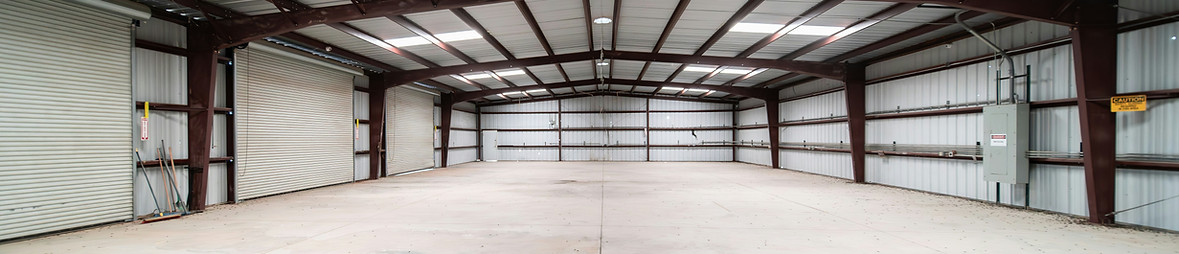
When an industrial heating system reaches the end of its life, or when a building changes use and needs a new approach, the first question is usually which technology to use. Radiant or warm air? Both are well proven in industrial and commercial applications across the UK. Both can be gas-fired or electric. Both can heat a building of almost any size. But the way they deliver heat is fundamentally different, and that difference has a significant impact on efficiency, running costs and comfort depending on the characteristics of your building.
How Warm Air Heating Works
Warm air heating systems heat the air in the building. A burner or heat exchanger heats the air inside the unit, a fan blows that heated air into the space and the building gradually warms up as the air temperature rises. The thermostat reads the air temperature and cycles the heater on and off to maintain the set point.
Warm air heaters come in several forms. Suspended gas-fired unit heaters like the Apen LRN and Apen LKN hang from the roof structure and blow warm air downward into the space. Air rotation systems like the Hadar Cyclone deliver very high volumes of air and circulate it continuously around the building. Cabinet heaters like the Hadar Zephr stand on the floor and discharge warm air horizontally. LPHW unit heaters like the Apen AX and Reventon S-3S use hot water from a central boiler or heat pump rather than burning gas directly at the heater.
The key characteristic of warm air heating is that it heats the air first and relies on that warm air reaching the occupied zone. In a well-insulated building this works very well across a wide range of ceiling heights, particularly when destratification fans are fitted to prevent warm air pooling at roof level. In buildings with poor insulation or frequent door openings, the efficiency of warm air heating is reduced because the heated air escapes or is displaced before it reaches the people in the building.
How Radiant Heating Works
Radiant heating works on an entirely different principle. Rather than heating the air, radiant heaters emit infrared radiation that travels through the air and warms surfaces and people directly. The air temperature in the building may be considerably lower than it would be with a warm air system, but the people in the building feel warm because they are absorbing infrared energy directly from the heater, in the same way you feel warm standing in sunlight on a cold day.
Gas-fired radiant tube heaters like the Space-Ray LR and Space-Ray AD hang at high level and radiate heat downward across a wide area. Electric radiant heaters like the Tansun Apollo and Tansun Sorrento work on the same principle with electricity as the energy source instead of gas.
Because radiant heating warms people and surfaces rather than the air, it is much less affected by air movement, draughts and heat stratification. It also responds quickly: a radiant heater reaches full output within minutes of being switched on, making it efficient for intermittent use.
Efficiency Comparison: The Key Factors
Comparing the efficiency of radiant and warm air heating is not a simple calculation because the answer depends heavily on the characteristics of your building. Several factors determine which technology delivers better real-world efficiency in a specific application.
Ceiling Height
Ceiling height is often cited as a reason to choose radiant over warm air heating, but this is only part of the story. A warm air system designed correctly with destratification fans performs well at any ceiling height. Destrat fans push warm air from ceiling level back down to the occupied zone, eliminating the temperature gradient that would otherwise develop. In a correctly specified warm air system, ceiling height alone is not a reason to rule out warm air heating.
Where ceiling height genuinely becomes a factor is when a warm air system is installed without destratification fans, or when an existing system has inadequate destrat provision. In those cases, the heated air rises and pools at roof level while the floor stays cold. Radiant heating avoids this problem entirely because it does not depend on air temperature, but the correct answer for a poorly performing warm air system is usually to add destratification fans rather than switch technology entirely.
The Hadar DSF destratification fan is designed for exactly this purpose. For very large buildings, the Evel WZ HVLS fan moves high volumes of air across a wide area from a single unit.
Insulation and Air Tightness
Warm air heating is more sensitive to the insulation quality and air tightness of the building. A poorly insulated building with draughty walls and roof loses warm air quickly, requiring the heating system to work harder to maintain the set temperature. Radiant heating is less affected by poor insulation because it does not depend on maintaining air temperature: it continues to warm people and surfaces directly even as the air temperature fluctuates.
For an existing building with poor fabric performance that cannot be economically improved, radiant heating will typically deliver better practical efficiency than warm air.
Door Openings and Draughts
Frequent door openings are one of the biggest causes of heat loss in industrial buildings. Every time a large loading door or vehicle access door opens, the heated air inside the building escapes and cold outside air rushes in. A warm air system must then reheat that cold air from scratch. A radiant system is much less affected: the surfaces and structure of the building retain their radiant energy and the people working near the heaters remain comfortable even when doors open nearby.
This is why radiant heating is particularly well suited to vehicle workshops, transport depots and manufacturing facilities where large doors are frequently open for extended periods. For loading bays specifically, there are two effective approaches and they are alternatives rather than complementary. Either install radiant heaters (gas radiant tubes like the Space-Ray LR or electric radiant heaters like the Tansun Apollo) to keep people and surfaces warm regardless of door state, or fit industrial air curtains like the Sonniger Guard Pro across the door opening to reduce cold air ingress so the building's main heating system can do its job. Which approach is right depends on how often the doors are open, the type of work being done at the loading position and whether you are heating the doorway area itself or the building beyond it.
Usage Pattern: Continuous vs Intermittent
How often and how long the building is occupied has a significant effect on which technology is more efficient.
For buildings that are occupied continuously across long shifts, warm air heating is typically very efficient once the building is up to temperature. The relatively slow warm-up is less of an issue when the building is in use all day and the consistent air temperature suits the workforce.
For buildings used intermittently, such as a church, sports hall, workshop used for a few hours per day or a warehouse with variable shift patterns, radiant heating is significantly more efficient. Radiant heaters warm people almost immediately without needing to bring the whole building up to temperature first. There is no lengthy preheat period and no energy wasted warming the air in an empty building.
Zone Heating
If your building has areas with different heating requirements, such as a manufacturing area, a packing area and a cold goods storage area, radiant heating can be zoned very precisely. Individual heaters can be controlled independently to deliver heat only where it is needed. A warm air system can be zoned but the air movement within the building means temperature separation between zones is harder to maintain.
When Warm Air Heating Is the Better Choice
-
Good insulation and any ceiling height with destratification fans: A properly specified warm air system with destrat fans delivers excellent efficiency regardless of ceiling height. The Hadar DSF recovers warm air from ceiling level and returns it to the occupied zone, making high ceilings a non-issue
-
Continuous occupancy: A building in use all day benefits from warm air heating once the building is at temperature. Modern condensing unit heaters like the Apen LRN achieve up to 97% seasonal efficiency
-
Large open floor areas: Warm air heating circulates well in open plan spaces without obstructions. Air rotation systems like the Hadar Cyclone can heat very large footprints efficiently from a small number of units
-
Staff comfort over a large area: Warm air creates a comfortable ambient temperature throughout the building rather than concentrating warmth in specific zones
-
Combined heating and ventilation: Many warm air systems can also provide fresh air ventilation and summer cooling in addition to heating, making them a more versatile year-round solution
When Radiant Heating Is the Better Choice
-
Poorly insulated or draughty buildings: Older industrial buildings with poor fabric performance retain radiant heat much better than warm air. The surfaces of the building absorb and re-emit the radiant energy
-
Frequent door openings: Radiant heating is far less affected by large door openings than warm air. Gas radiant tube heaters like the Space-Ray LR continue to deliver comfort even when large vehicle doors are open
-
Intermittent use: Radiant heaters reach full output quickly. For a building used a few hours per day, radiant heating avoids the energy cost of bringing the whole building up to temperature before the first person arrives
-
Zone heating requirements: Where different areas need different temperatures, radiant heaters can be individually controlled with precision
-
Partial buildings and open areas: Radiant heating works in partially open or poorly enclosed spaces where heating the air would be largely ineffective
Can You Use Both? The Hybrid Approach
In many industrial buildings, the most efficient solution is a combination of both technologies rather than a single approach. This is more common than it might seem and addresses the different requirements of different zones within the same building.
A typical example is a warehouse with a loading bay area and a main storage or pick area. The loading bay has large doors that open frequently and cold air ingress is severe. Air curtains across the dock doors reduce the volume of cold air entering the building each time the doors open, while radiant tube heaters at the loading position keep staff comfortable. The main warehouse floor benefits from warm air heating or air rotation to maintain an even ambient temperature across the full floor area.
Similarly, a factory with a large production area might use warm air heating to provide background heating across the whole space, with radiant heaters positioned specifically over the areas where staff spend most of their time. The warm air system maintains a baseline ambient temperature in less-occupied areas without overheating them, while the radiant heaters deliver additional targeted comfort exactly where people are working. This combination uses less energy than heating the entire factory to high occupied-zone comfort levels through warm air alone.
There is no rule that says a building must be entirely one technology or the other. The right approach is the one that delivers the required conditions most efficiently in each part of the building.
Making the Decision for Your Existing Building
For an existing building where you are replacing a failed system or upgrading an inefficient one, the starting point is an honest assessment of the building's characteristics. Ask these questions:
-
What is the ceiling height and does the existing warm air system have destratification fans? High ceilings are not a problem for warm air heating when destrat fans are correctly specified. Without destrat fans, warm air heating in a high-ceiling building loses efficiency and radiant heating may be a better fit
-
How well insulated is the building? Poor fabric performance favours radiant heating
-
How many large door openings does the building have and how often are they used? Frequent large door openings favour radiant heating
-
Is the building occupied continuously or intermittently? Intermittent use favours radiant heating
-
Does the building have different zones with different heating requirements? Zone heating requirements favour radiant or a combination approach
-
Is there an existing warm air system with ductwork, flue routes and gas connections that can be reused? If so, a like-for-like warm air replacement may be the most cost-effective option even if radiant might theoretically be marginally more efficient
-
Do you need ventilation, fresh air supply or summer cooling alongside heating? Many warm air systems can deliver heating, ventilation and cooling from the same unit. Radiant heating only heats, so a building that needs all three functions usually benefits from a warm air approach.
-
Is the building a single open volume rather than zoned areas? A large open warehouse or production floor is well suited to warm air heating, which fills the volume evenly.
If you are unsure which approach is right for your building, contact Hadar Industries today for a free site survey. We will assess your building's specific characteristics and recommend the most efficient heating solution with no obligation.


